
 While some desire speed most, others are more interested in learning how to put in longer and longer distances. That is what my goal is and if you’re anything like me, sometimes wrapping your head around some of these bigger distances seems nearly impossible.
My first race was in October of 2018, the Sky Peaks 25k in Flagstaff which equals out to roughly 16 miles. A week before that I had never run over 10 miles. A week before. While there are some who are naturally gifted, some who have been in the running game since high school or have built up their long distance endurance with hiking, others of us really have to work to pursue those miles. For me, adding on mileage has never felt “easy” or “simple”. I feel those added miles and it took me nearly six months of running 5-6 mile chunks before I felt confident enough to pursue double digits. It took one person to believe in me and tell me I could do it while running that 10 miles along side me, pacing me, to convince me I was capable. Once I hit that 10 miles, my confidence rose so much I felt like I could conquer any distance with the right mindset.
So, how do you start inching up your mileage?
Slow Pace: while you may be able to do 3-5 miles at a faster pace, as you add on you want to slow your pace down. When you slow your pace down you aren’t stressing your body out which means you can run further and further without over-exerting. Your beginning pace should be aerobic and allow you to hold conversations easily without feeling out of breath. If you’re feeling good it means it is easier to pick up your pace at the end of the run and finish stronger instead of going out full force and bonking a few miles in.
Flatter Trails: Instead of focusing on elevation gain and a lot of vertical, as you are adding mileage you should focus on trying to stay low and focus on just that: distance. Working in runs focused solely on climbing or speed is also necessary, but allowing your long runs to be just that: long, is really helpful and your body will appreciate it!
Mid-Run Fueling: when you start upping your mileage you need to become much more mindful of your caloric intake during your runs. By rule of thumb you should be taking in 200-300 calories/ hour. As REI.com states, “the exact number of calories depends on several factors, including the length and intensity of your run and your body type: A larger person will likely need more calories per hour than a smaller person. Likewise, someone doing a very strenuous run will need more calories per hour than someone doing a short, easy run.” You will learn what foods your body is able to handle as you begin adding on mileage as well as what it feels like to “bonk”. If you are starting to feel fatigued, clumsy or emotional: it’s time to sip more water and eat something!
Positive Self-Talk: If you go out saying “I can’t hit 10 miles” you probably wont. Our mental self-talk is so important and it is crucial when you’re going further and further. If you can tell yourself, “I am going to be out here for two hours,” you are more likely to be successful. You’ve already prepared yourself for how long you’ll be running and any walls you face within your run, you can talk yourself through. You can break your runs down into 30 minutes segments or by mileage: 2-2-2-2-2 =10. Sometimes giving yourself benchmarks is what it takes, even if that is just telling yourself to get to the next cactus or trail post. Telling yourself you can do this, even if you are having a hard time believing it is so important – even outloud! Give yourself those words of encouragement loud and proud.
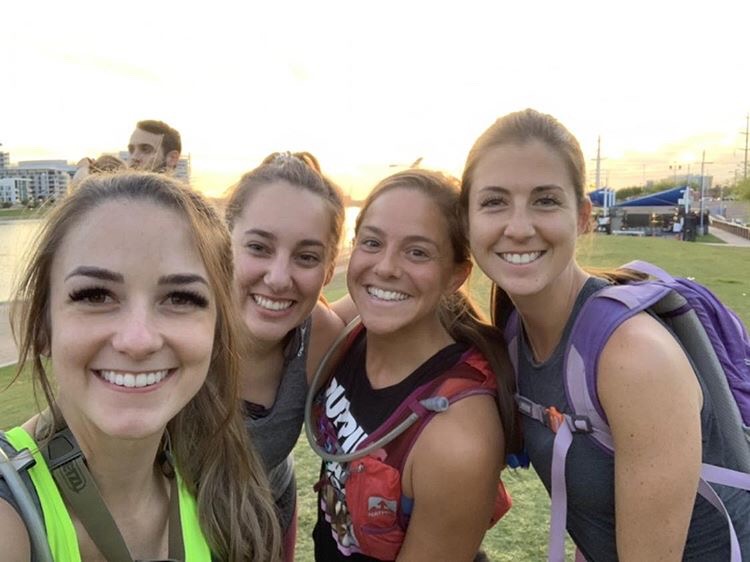
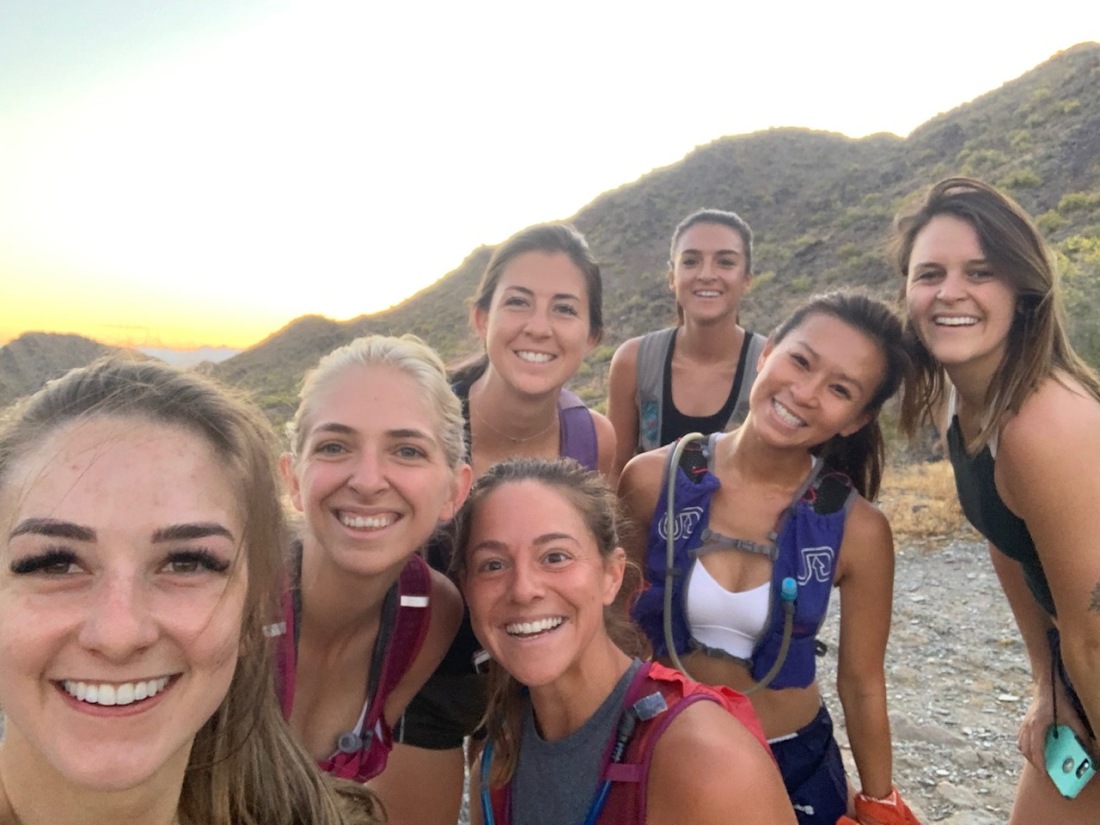
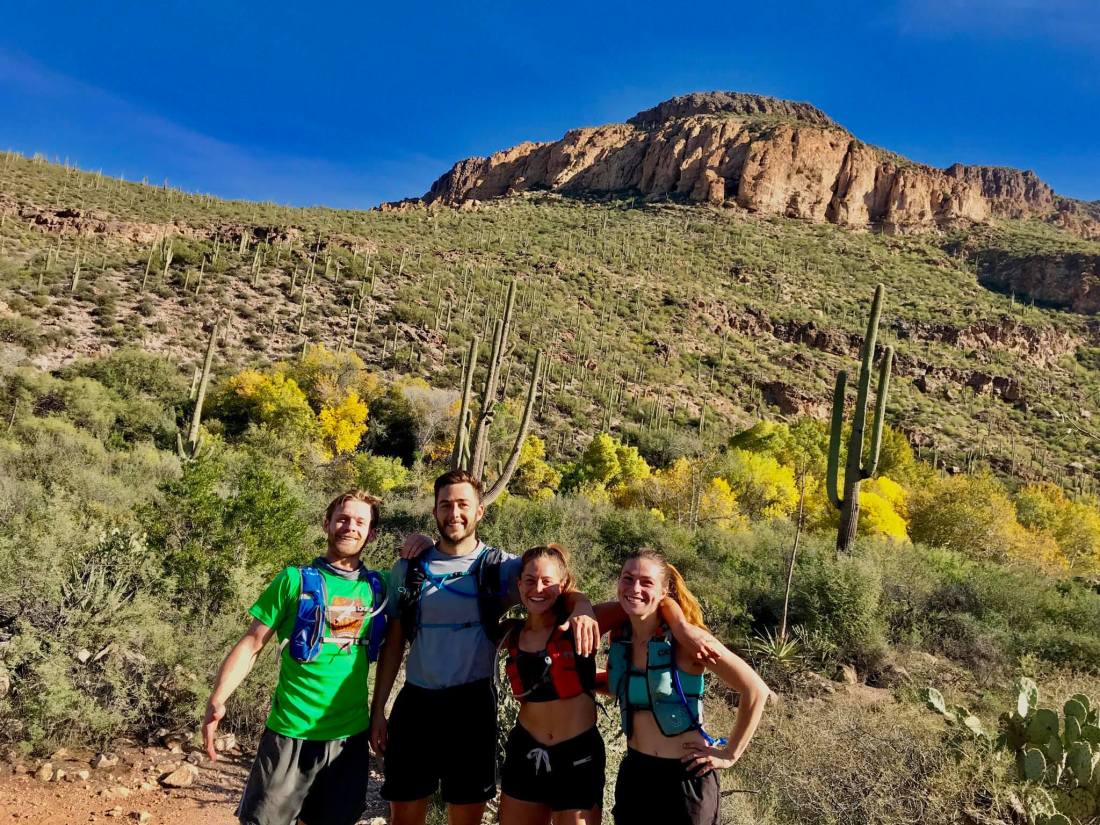
Training Partners: nearly everything is better together and that is no different when it comes to long runs. When you’re uppingyour mileage it is so helpful to have friends out there along side you, cheering you on, helping you through the discomfort and the walls you may hit along the way. It is also helpful to have a “rabbit” — someone who is a bit ahead of you so that you have someone to follow after if you’re going through a tough patch. Being able to feed off of other peoples energy can be extremely valuable because lets face it, when you start passing that 5 mile mark, things can be a struggle. Muscles hurt, things chafe, your mind can really fight what you’re doing and having support through those moments is a game-changer. However, getting to the point where you can support yourself in these long runs is important too — getting to know yourself and in your own mind is super valuable if you consider racing or want to pursue hitting trails solo, you’ll know how to tackle your blocks internally and your confidence in your own abilities will continue to grow.
Weekly Goals: say hello to my favorite feature on strava. Setting goals allows me to hold myself accountable by setting weekly mileage goals or time goals. If I plug in that I am aiming for 30 miles during the week, it will subtract the distance I do each day, letting me know how close I am to hitting that goal by the end of the week. It lights a fire within me to reach it without any other outside influence. I also really enjoy going out for time-focused runs as those are great for getting your body adjusted to being up and moving for that long. Your feet need to adjust to taking that kind of pounding for hours too! The more time you spend running, the stronger and more prepared your body (and mind) will become.
Two-A-Days: Sometimes breaking things down into smaller chunks is the way to go, as trailrunnermag.com states, “as your volume climbs, it’s more difficult mentally and physically to get all of your running done at once. So use the time you have—run in the morning, then again at lunch or after work. Even better: run commute to work in the morning and evening. Many professional runners throughout history have run twice a day for many reasons, including somewhat controversial ones like optimizing natural hormone production. But stripped down to their essence, double runs allow you to add more stress without the injury risk that consistent longer runs entail.”
I’ve always been on the more cautious side as I’ve upped my mileage, preferring to take it little by little instead of large jumps in distance to protect myself from injury or overworking muscles that aren’t used to so much volume. Playing it conservatively, in my opinion, means I will be healthier and able to do this for longer! It may seem tough to follow your own pace and listen to your body instead of doing (or wanting to do) what everyone else seems to be doing around you, but I promise, if you listen, your body will tell you what it is ready for. There is a difference between discomfort and pain as well. One is temporary as you are in the moment, the other is telling you, “hey this is an injury”. Being able to determine what your body is telling you is extremely important as you start adding on. “Is your body dehydrated? Heat-exhausted? Just sore? Is something really wrong?” Your mind will always try to stop you before your body will and knowing what you can safely and healthily push through and what you need to stop for is key. Adding on 2-3 miles at a time, I think, is a great goal. You may find that that is too much and you need more time or that you can add a little more volume. It also really just depends on the day and how strong you feel! Allow yourself to be just where you are and you will find: this sport has so much to show you about yourself and your capabilities!

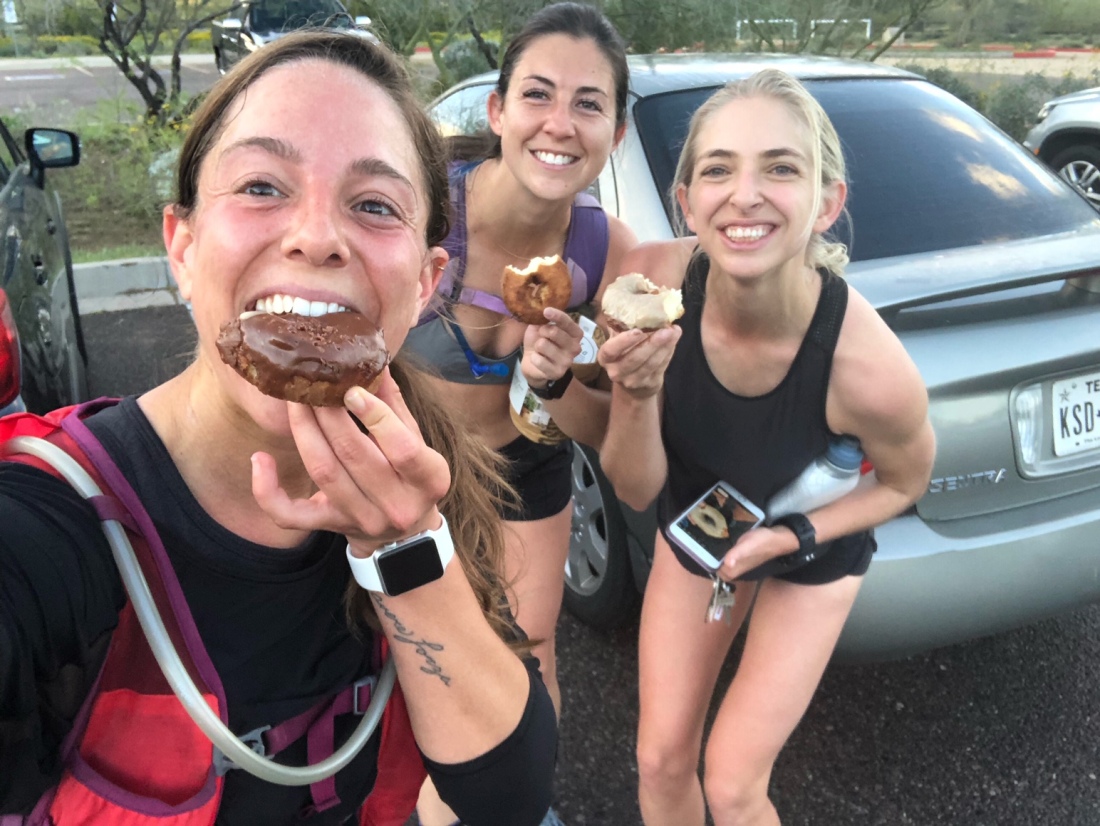
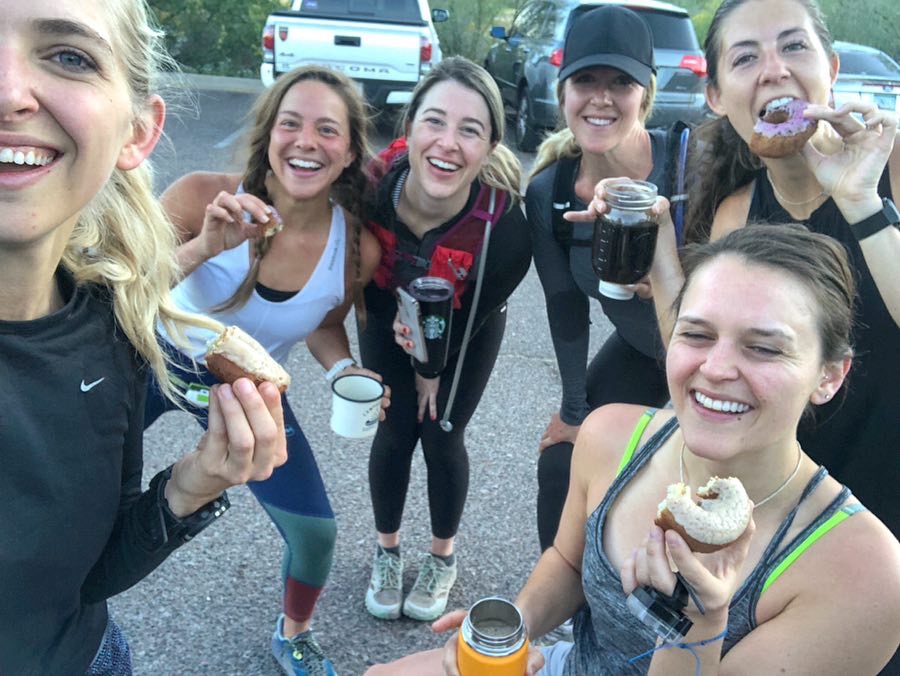
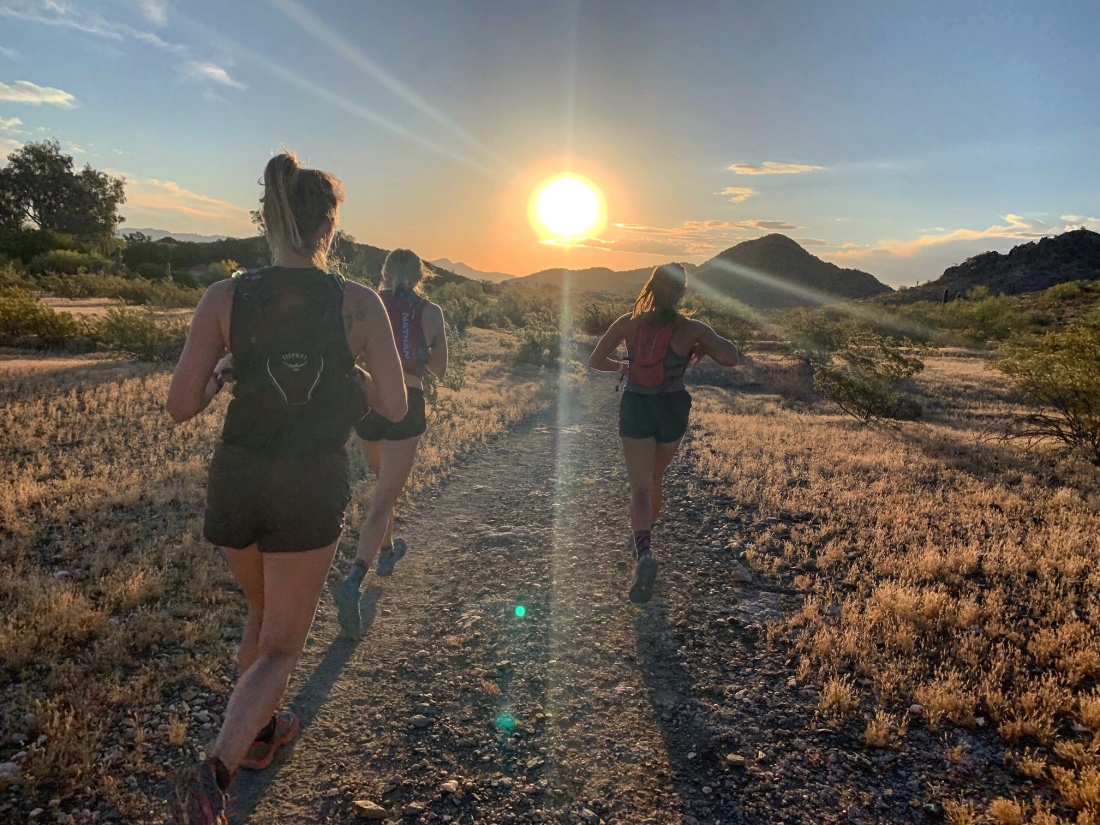


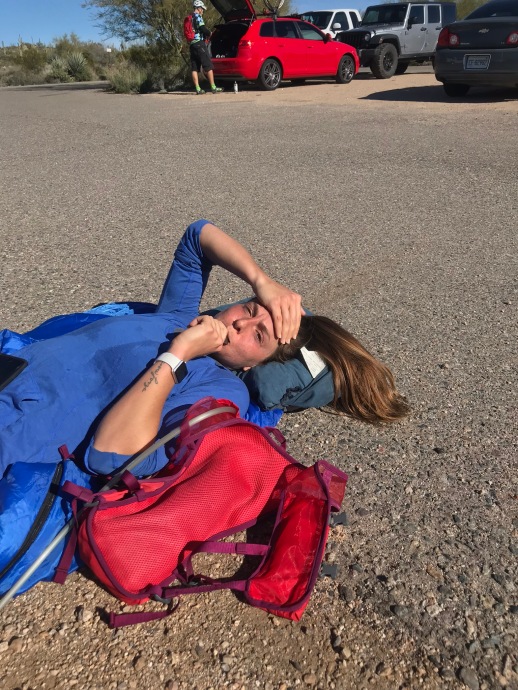
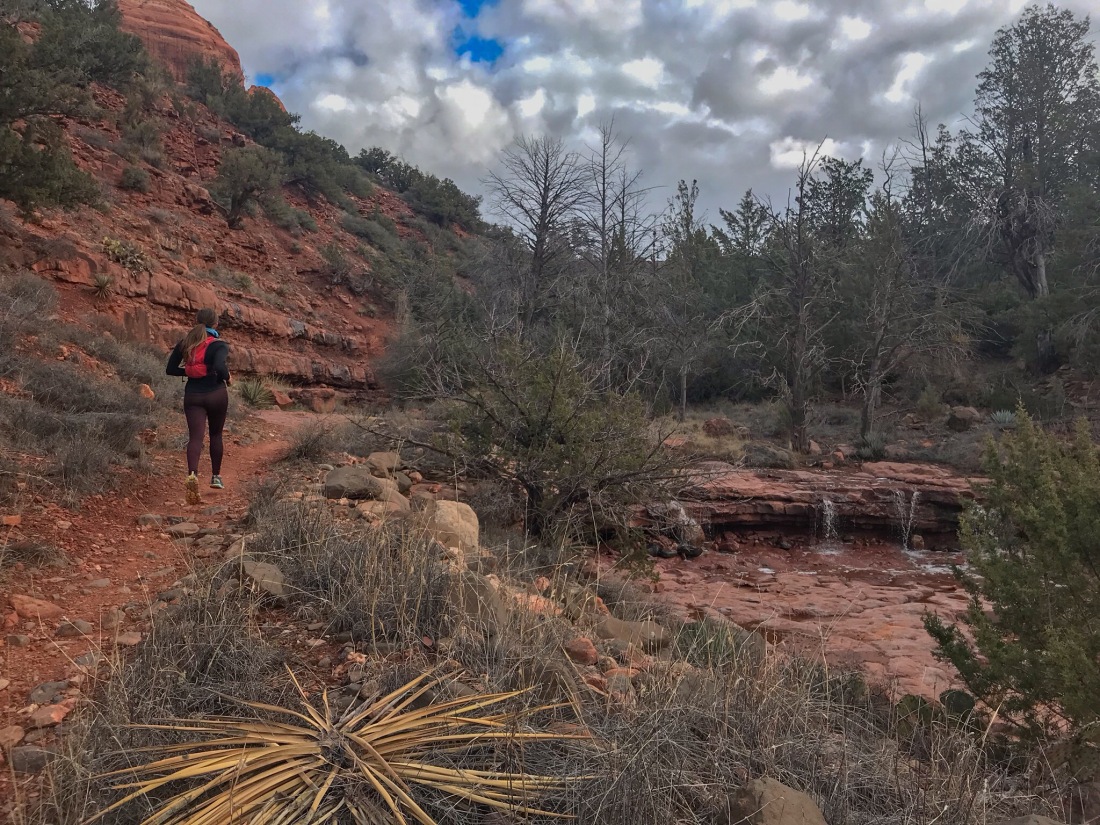
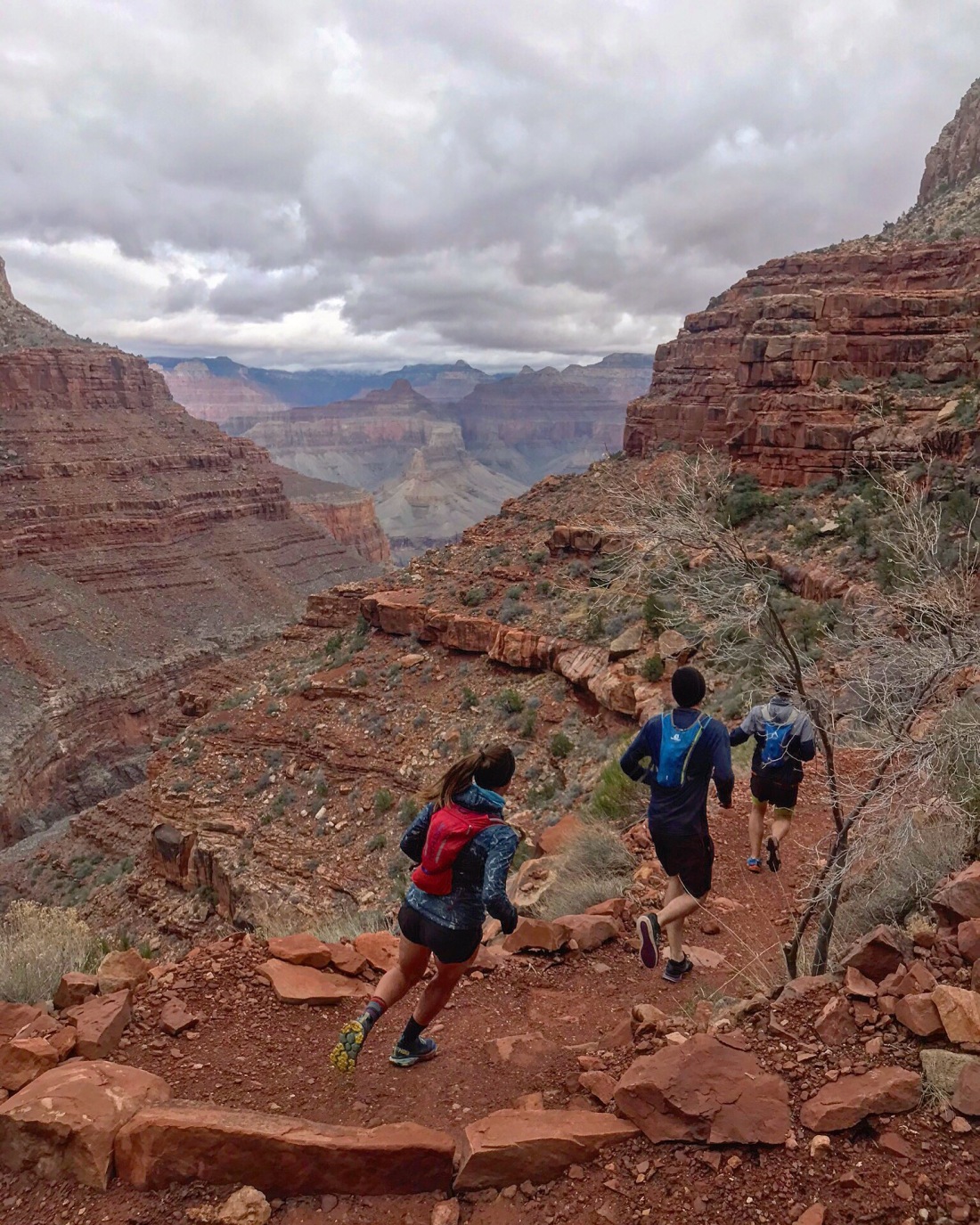
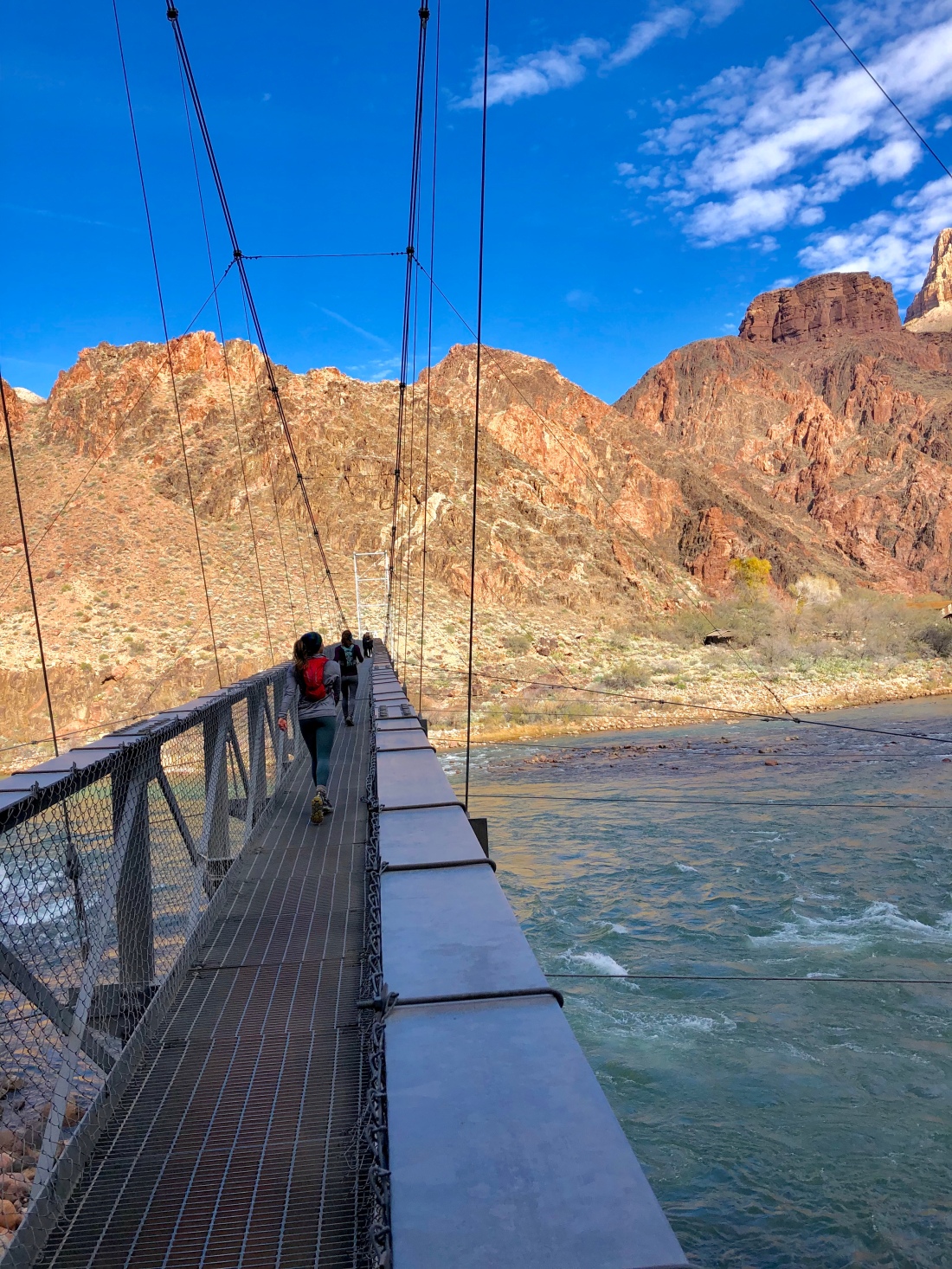
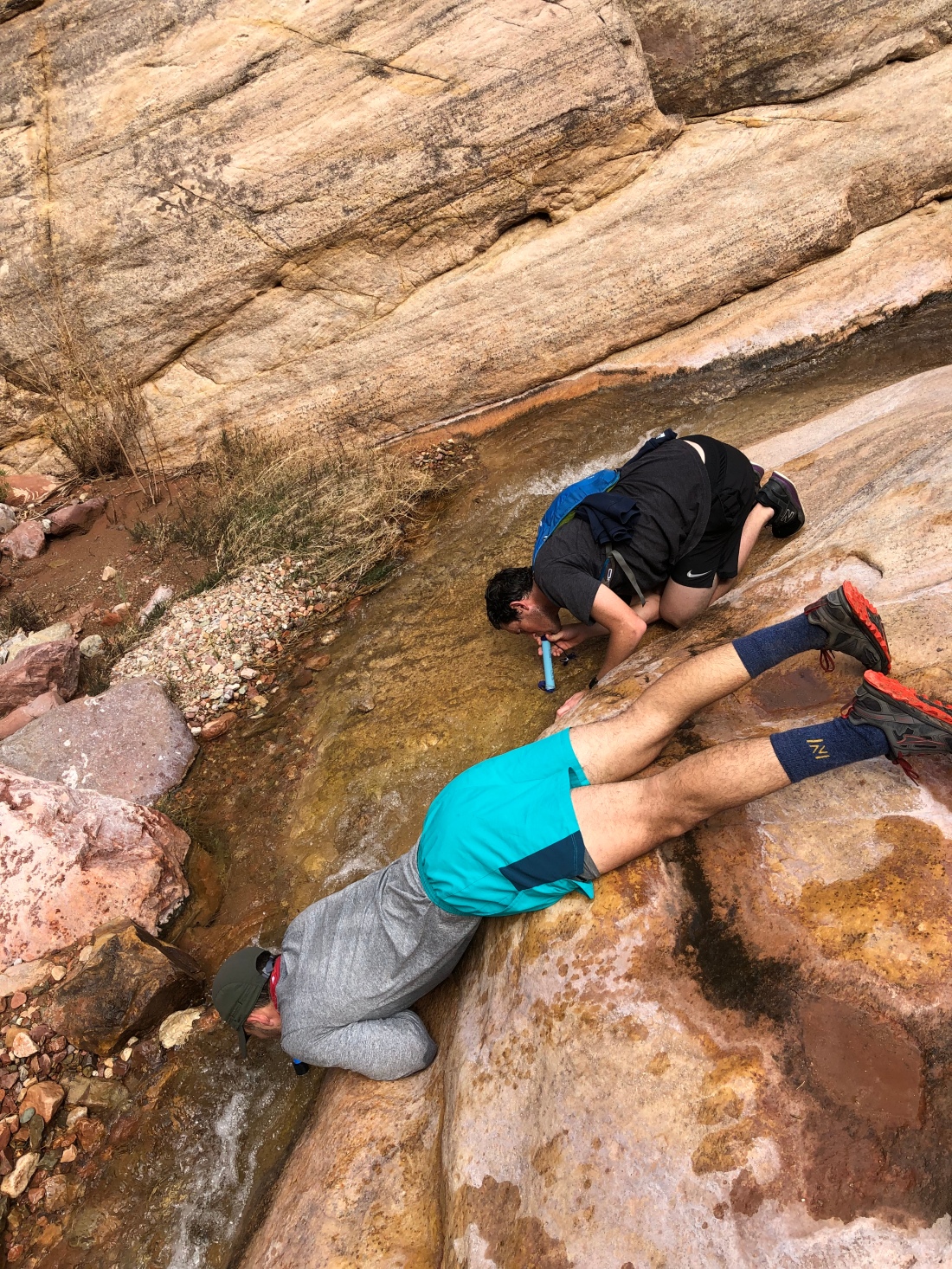
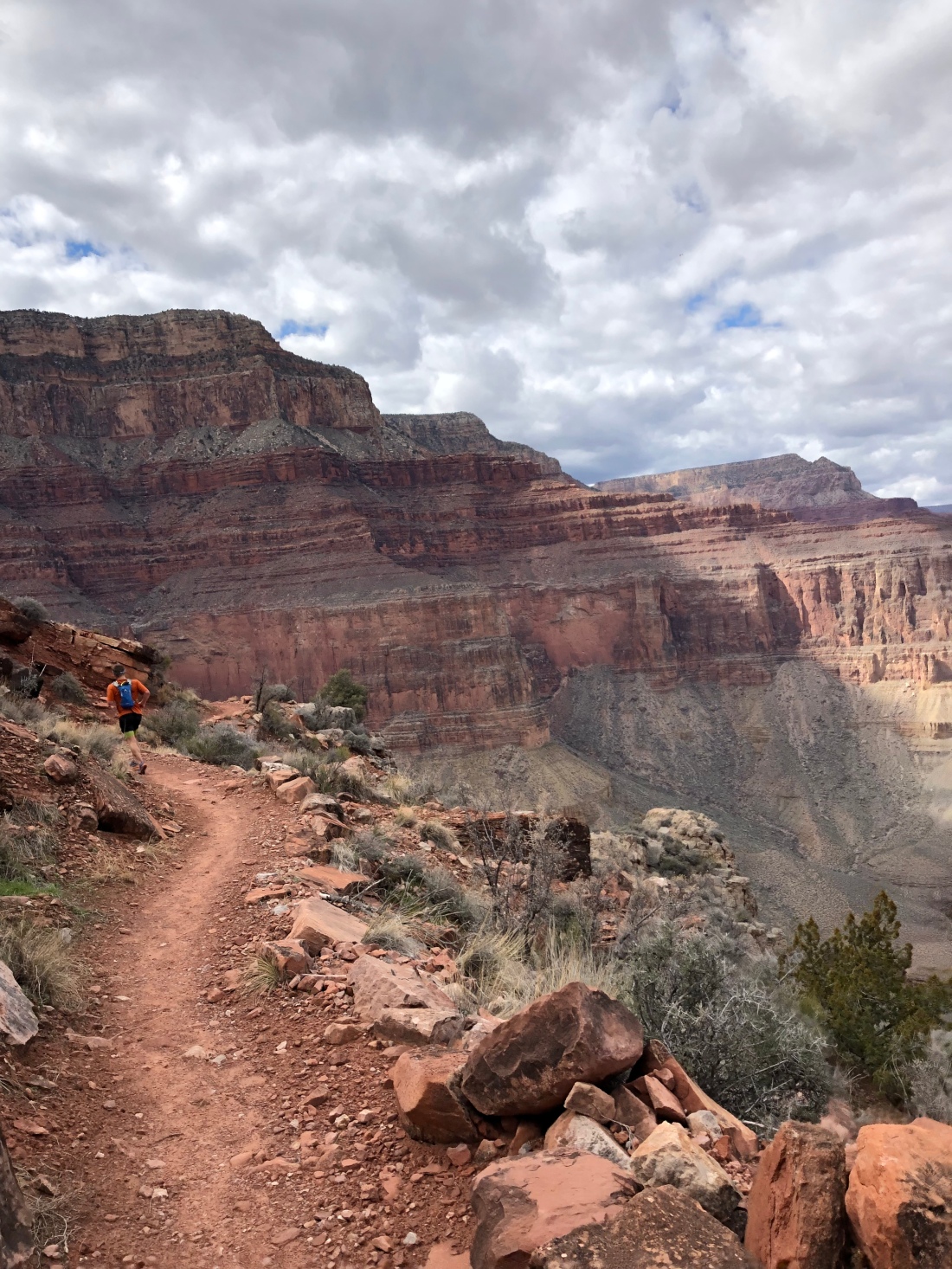

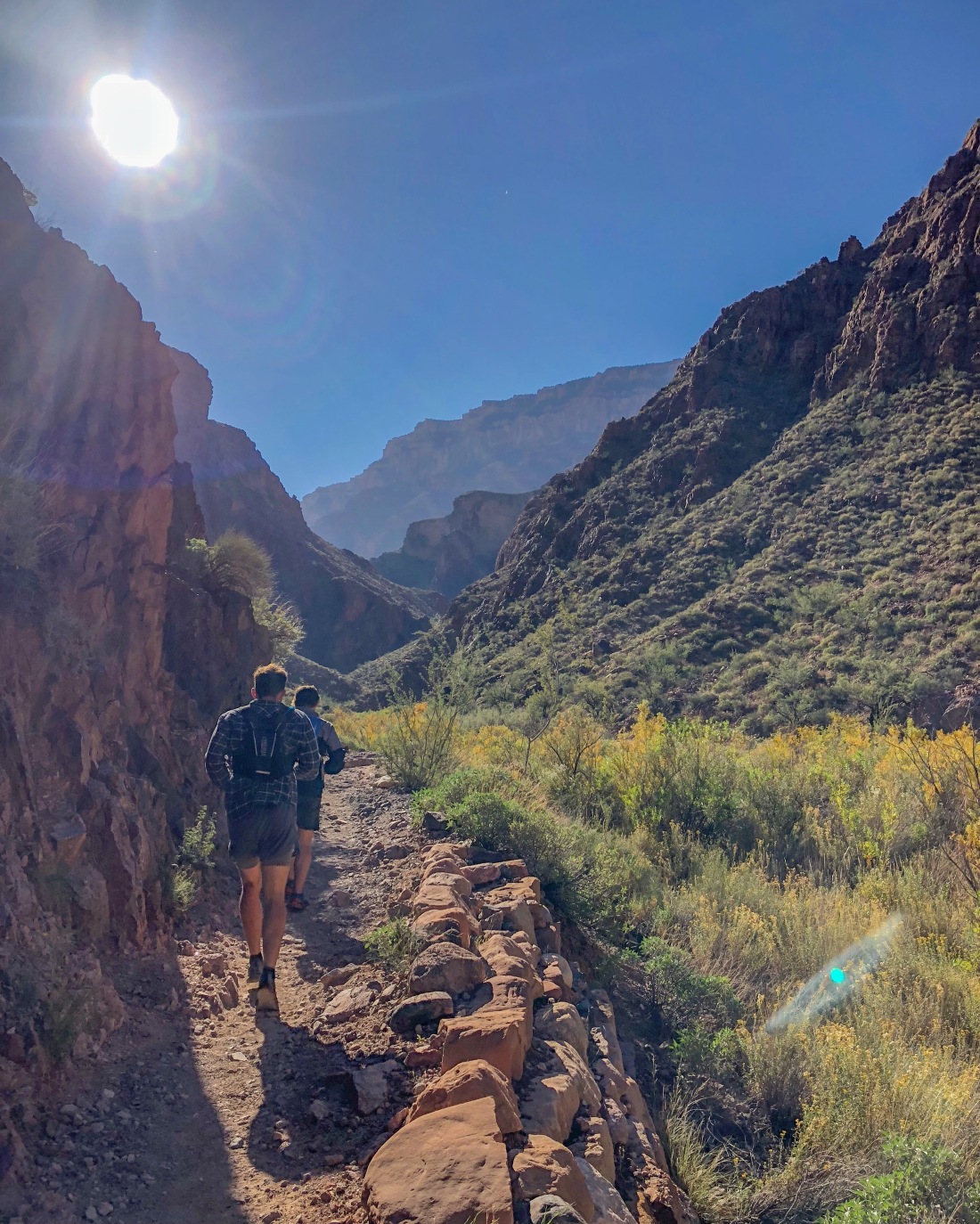


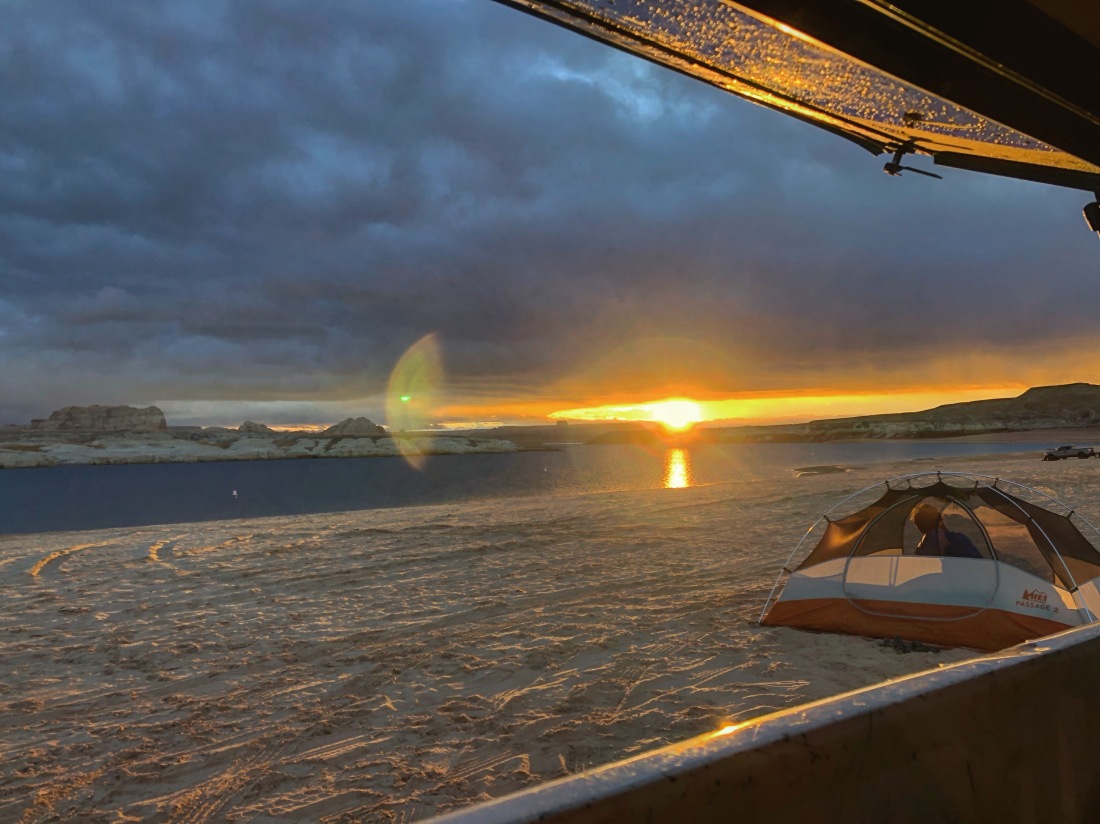
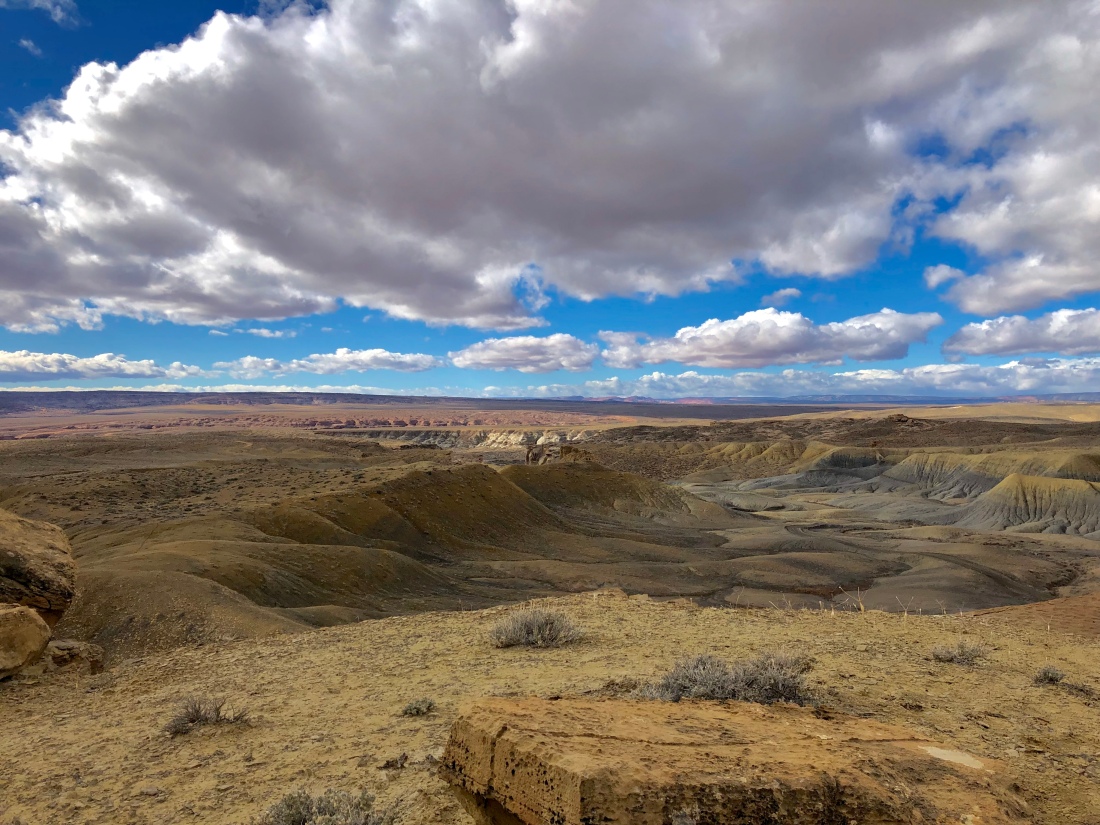 We got 15 miles in the backcountry, seeing beautiful formations and also a lot of dark, ominous clouds rolling around to the north of us. When we reached the cars, beers were cracked and everyone put their feet up to enjoy the efforts we’d just put in on hills we hadn’t expected to be so steep. The rushing water we had seen to our left when we had gotten to the trailhead was still going strong, beginning to web off into small slews to the right and left of the main force. We began talking about food..burgers…fries…and packed up our things to venture back to town for our reward.
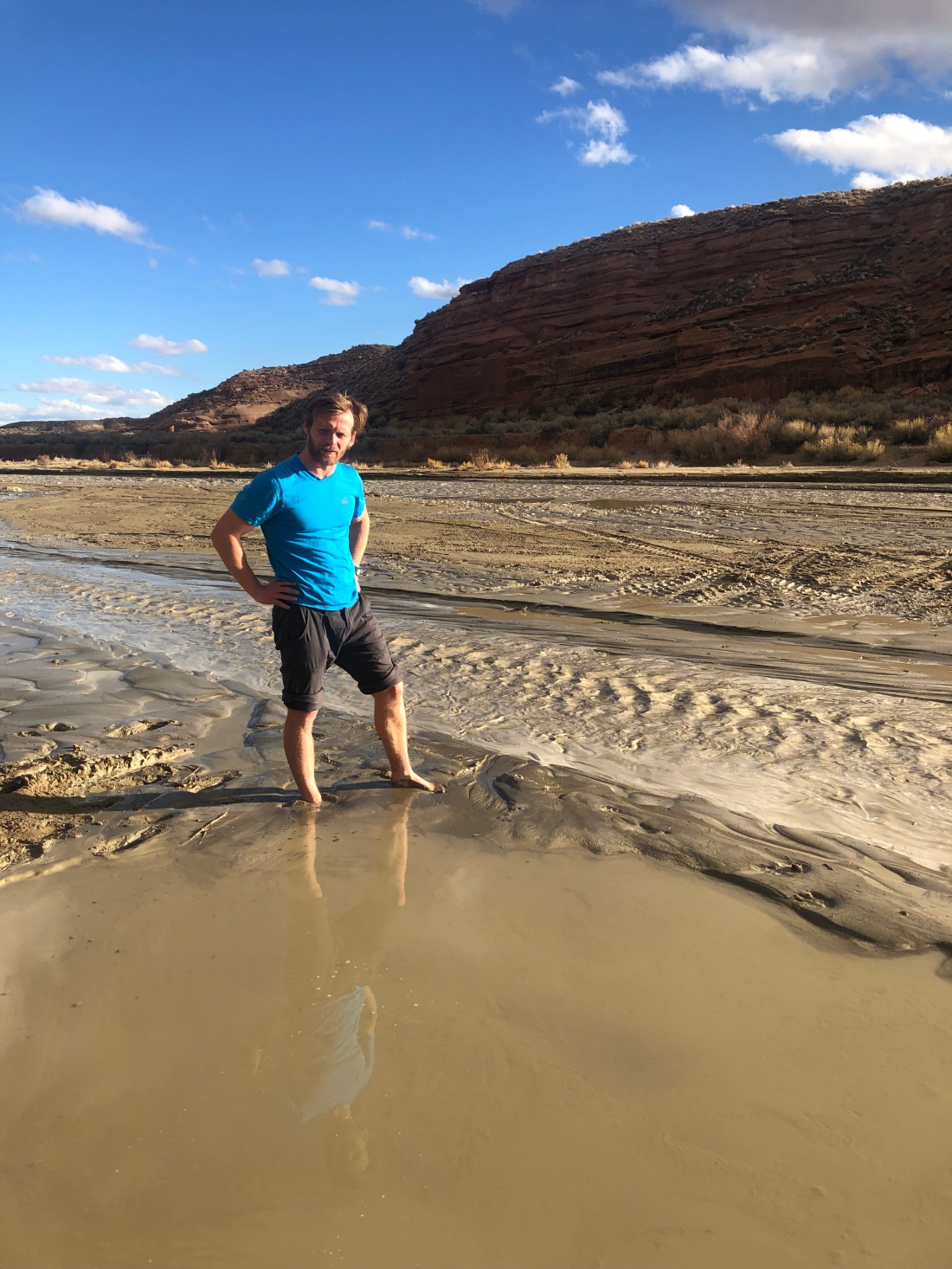 We reached the wash and…no road crossing. Where there had been nothing but dry rock and sand before, there was now rushing water with small rapids and mud so thick it was like a porridge. We all tried to make light of the situation as we began to accept we were stranded with no way across. The water was reaching chests, high thighs, with zero visibility to the bottom. Calls began to be made, what can we do? What are our options? We are stuck, can we get out ourselves?
 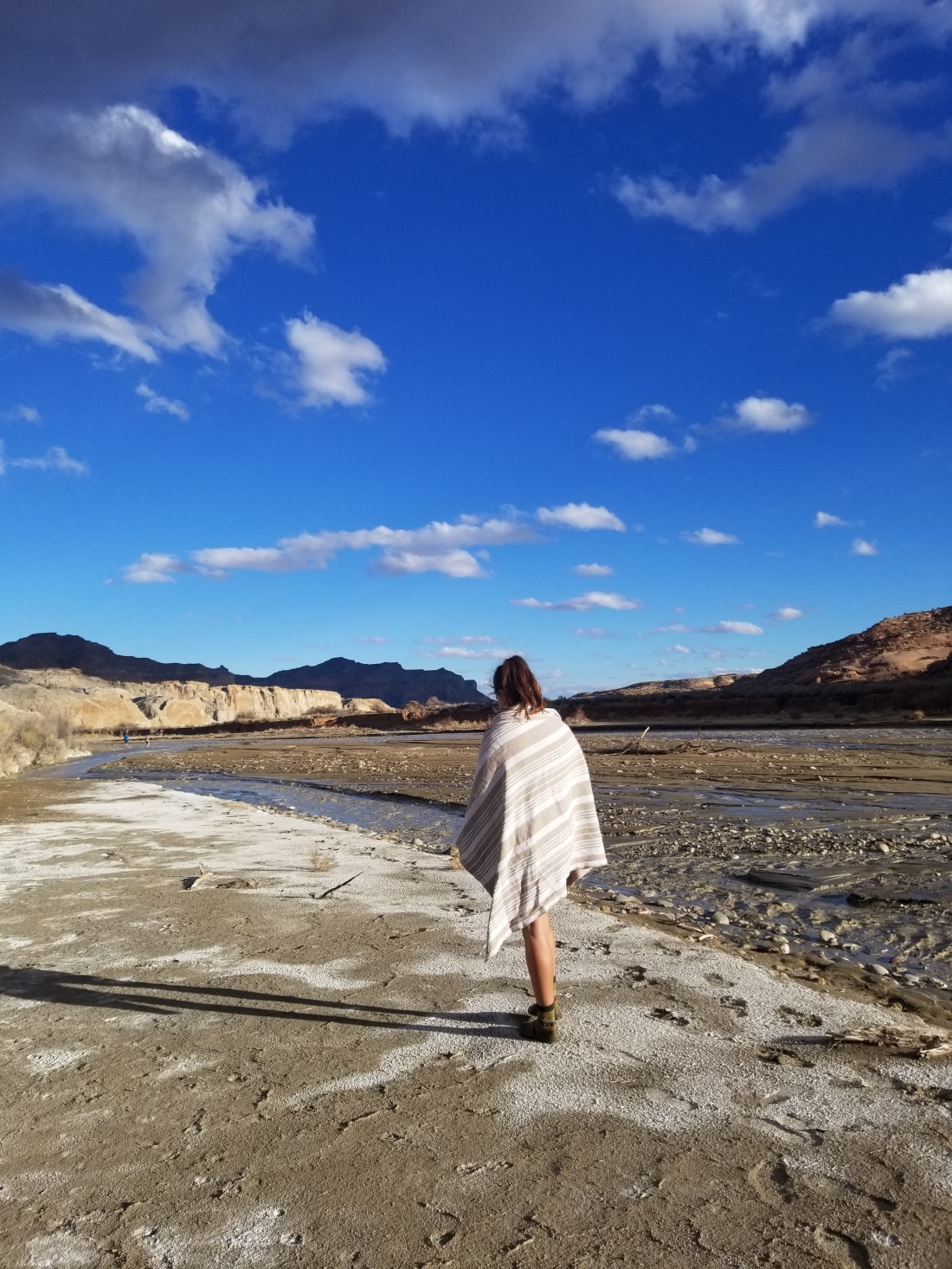 While we weren’t in danger we were still stuck. We had some water, not a ton of food but some…for now. We were more worried for more rainfall overnight or the next day to continue filling this flow. Sticks were placed into the bank to monitor water height which was steadily decreasing as the night went on. By 7, we knew we could get the 4×4 across but were really uncertain about the other two vehicles. We called a tow, driving an hour down to assist us in the night. Once he arrived he pulled the 4×4 across with ease. Next was the two-wheel drive truck, gunning the truck across the first bank which had us flying up to the ceiling as we hooped and hollered by the unexpected strength the little truck had. Everyone was slathered in mud as they got underneath the truck trying to figure out where to hook the chains before the tow began lugging us across to safety. We left the car overnight, desperately needing good sleep a shower. We tried our best to relax and recover and the next morning, returned to find…the water still shin high and flowing. The lip of the bank was broken away and the mud consumed the dry sand and rock we tried to lay down to catch tires. I couldn’t watch as our friend said she was going for it as the water was 3 inches above the body of her car. She was confident, I was bargaining with the Universe to let us successfully get out of there with all of our vehicles in tact. She powered over the first bank and gunned it across the flowing water like nothing was even there — a pro. We were so impressed, relieved and…exhausted.
 Getting a running pack was the best investment (besides my shoes) that I have made. I used to run with my smallish day pack and got by, but once I upped my game and got a pack designed for trail running, I was MUCH happier. Getting a trail running pack means you’re carrying less weight, your bladder fits perfectly along with additional storage space for layers, gloves, flashlight, book…whatever you think you need when you hit the trails. You have small spots for trekking poles, pockets on pockets for hydration sources and fuel (along with car keys!) Having all of these things at your fingertips right at the front of your packet on your chest is a big plus that I didn’t have with a day pack.
 There are so many fueling options for the trail and I’ve honestly tried…most of them. From Gu gels to bloks and baby food packets, trail mix and protein bars – they all have their time and place. Not that long ago I started seeing Spring Energy all over people’s social media. People were raving about the quality; how natural they taste and how great the ingredient lists are…. I caved and made my first order. Well, now I get it. These gels don’t taste chemical-y, they give me great energy boosts without a crash, and I have yet to “bonk” while using them.
 if you haven’t gotten a buff yet let this be the sign that today is the day! Buffs are the best because they are SO versatile. I use mine when it is extremely hot to block sweat or protect my face and during cold weather to block wind chill and cover my ears and nose when it gets chilly. I pretty much always have one on me and don’t know what I did before I invested in one of these guys.


 Bri With A View